
Introduction
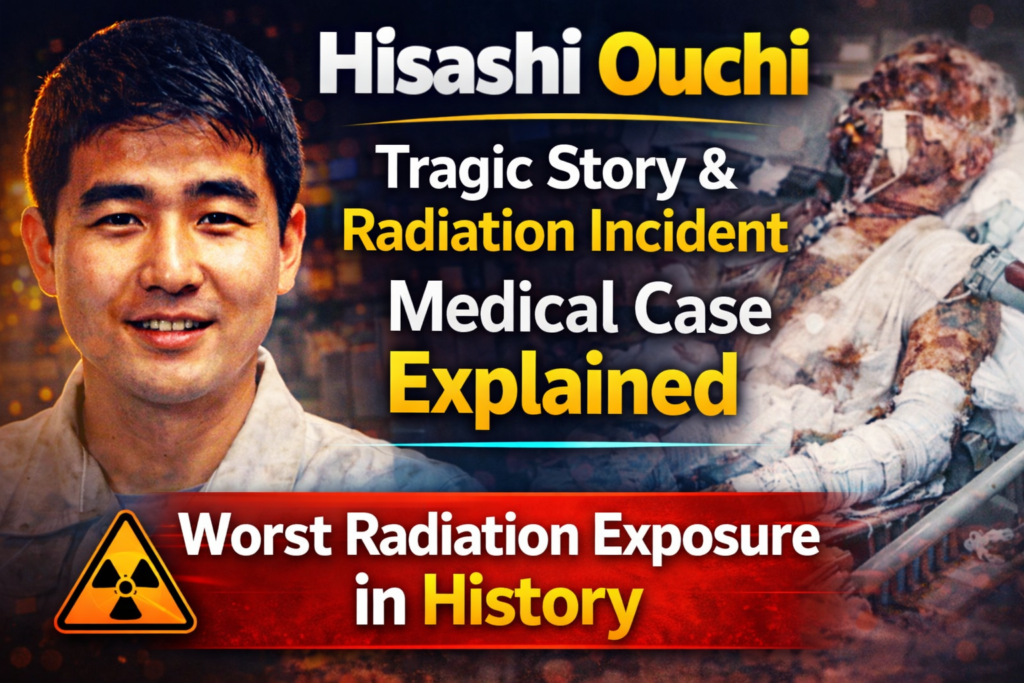
The story of Hisashi Ouchi is one of the most tragic and widely discussed cases in the history of nuclear accidents. It highlights the devastating consequences of radiation exposure and raises important questions about safety, medical ethics, and human endurance. His case is not only remembered for its severity but also for the lessons it taught the world about the risks associated with nuclear energy.
This article provides a detailed and respectful explanation of his story, focusing on what happened, the medical response, and the broader implications. The goal is to inform readers in a clear and structured way while maintaining sensitivity toward the seriousness of the event.
Who Was Hisashi Ouchi
Hisashi Ouchi was a technician working at a nuclear fuel processing facility in Japan. He was part of a team responsible for handling uranium, a material used in nuclear reactions. Like many workers in the industry, his role required precision, strict adherence to safety protocols, and a deep understanding of hazardous materials.
Before the accident, he lived a normal life and was known as a hardworking individual. However, everything changed due to a critical error at the facility, which led to one of the most severe radiation exposure cases ever recorded.
Overview of the Tokaimura Nuclear Accident
The incident that affected Hisashi Ouchi occurred in 1999 in Tokaimura, Japan. It is often referred to as the Tokaimura nuclear accident and is considered one of the worst nuclear incidents in Japan’s history outside of major disasters.
The accident happened due to improper handling of uranium during a processing procedure. Workers bypassed safety protocols, which led to a criticality event. This means that a nuclear chain reaction was unintentionally triggered, releasing a massive amount of radiation in a short time.
This event exposed workers, including Hisashi Ouchi, to extremely high levels of radiation.
What Happened on the Day of the Incident
On the day of the accident, workers were preparing a batch of nuclear fuel using a method that was not approved by safety guidelines. Instead of following proper procedures, they manually mixed uranium in a way that caused it to reach a critical mass.
When this happened, a sudden burst of radiation was released. Hisashi Ouchi, who was closest to the reaction, received the highest level of exposure. The intensity of radiation was far beyond what the human body can tolerate.
The situation was immediately recognized as severe, and emergency measures were taken. However, the damage had already been done.
Immediate Effects of Radiation Exposure
Radiation exposure at such high levels has immediate and devastating effects on the human body. In the case of Hisashi Ouchi, symptoms appeared almost instantly.
He experienced nausea, weakness, and severe discomfort. These are common early signs of acute radiation syndrome. However, his exposure level was so high that the damage went far beyond typical cases.
Radiation attacks cells at a fundamental level, damaging DNA and preventing the body from repairing itself. This leads to rapid deterioration of tissues and organs.
Medical Condition and Damage Explained
The medical condition of Hisashi Ouchi became one of the most studied cases in radiation medicine. Doctors observed extensive damage to his body, including the loss of skin, immune system failure, and severe organ damage.
His DNA was heavily affected, which meant that his body could not regenerate cells properly. This made recovery extremely difficult, if not impossible.
Despite advanced medical efforts, his condition continued to worsen over time. His case demonstrated the limits of medical science when dealing with extreme radiation exposure.
Treatment and Hospitalization
After the accident, Hisashi Ouchi was transferred to a specialized hospital where doctors attempted to treat him using advanced medical techniques. These included blood transfusions, skin grafts, and experimental treatments aimed at stabilizing his condition.
Doctors worked continuously to manage his symptoms and prevent infections. However, the damage caused by radiation made treatment extremely challenging.
His hospitalization lasted for several weeks, during which his condition was closely monitored. Medical teams tried everything possible to keep him alive and study the effects of radiation on the human body.
Ethical Debate Around His Treatment
One of the most controversial aspects of this case is the ethical debate surrounding his treatment. Some experts questioned whether continuing aggressive medical intervention was the right decision, given the severity of his condition.
The situation raised important questions about patient consent, quality of life, and the role of medical professionals in extreme cases. It sparked discussions in the global medical community about how to handle similar situations in the future.
This debate remains relevant today, as it highlights the challenges of balancing medical possibilities with ethical considerations.
Scientific Understanding of Radiation Effects
The case of Hisashi Ouchi provided valuable insights into how radiation affects the human body. Scientists and doctors were able to study the progression of radiation damage in detail.
Radiation exposure disrupts cellular function, damages DNA, and weakens the immune system. At high levels, it can lead to complete system failure.
This case helped improve understanding of acute radiation syndrome and contributed to advancements in medical research.
Impact on Nuclear Safety Regulations
The Tokaimura accident led to significant changes in nuclear safety regulations in Japan and around the world. Authorities recognized the need for stricter controls and better training for workers handling hazardous materials.
New policies were introduced to prevent similar incidents. These included improved safety procedures, better monitoring systems, and stricter enforcement of regulations.
The goal was to ensure that such a tragedy would not happen again.
Public Reaction and Media Attention
The incident received widespread media coverage, both in Japan and internationally. People were shocked by the severity of the accident and the suffering endured by Hisashi Ouchi.
Public concern about nuclear safety increased significantly. The case became a symbol of the risks associated with nuclear energy and the importance of proper safety measures.
Lessons Learned from the Incident
There are several important lessons that can be learned from this tragedy.
First, safety protocols must always be followed, especially when dealing with dangerous materials. Even small deviations can lead to catastrophic consequences.
Second, proper training and supervision are essential to prevent human error.
Third, transparency and communication are important in managing public trust during such incidents.
Comparison with Other Nuclear Accidents
While the Tokaimura accident was severe, it differs from other major nuclear disasters. Unlike large-scale incidents, it affected a smaller number of people but had extremely intense effects on those exposed.
This makes it unique in terms of medical and scientific study.
Long-Term Impact on Japan’s Nuclear Industry
The incident had a lasting impact on Japan’s nuclear industry. It led to increased scrutiny and changes in how nuclear facilities operate.
Public opinion also shifted, with greater awareness of the risks involved in nuclear energy.
Conclusion
The story of Hisashi Ouchi is a powerful reminder of the dangers associated with nuclear technology and the importance of safety. His case remains one of the most significant examples of extreme radiation exposure and its effects on the human body.
While the tragedy cannot be undone, the lessons learned from it continue to influence safety standards, medical research, and public awareness.
Visit More: Andrew Santino Wife
FAQs
1. Who was Hisashi Ouchi?
He was a Japanese nuclear worker involved in the Tokaimura accident.
2. What caused the accident?
Improper handling of uranium led to a critical nuclear reaction.
3. What is acute radiation syndrome?
It is a condition caused by high exposure to radiation, affecting the body at a cellular level.
4. How did the incident impact safety regulations?
It led to stricter nuclear safety rules and better training standards.
5. Why is his case important?
It provided valuable insights into radiation effects and medical response.
6. What lessons were learned?
The importance of safety, proper procedures, and ethical medical decisions.