
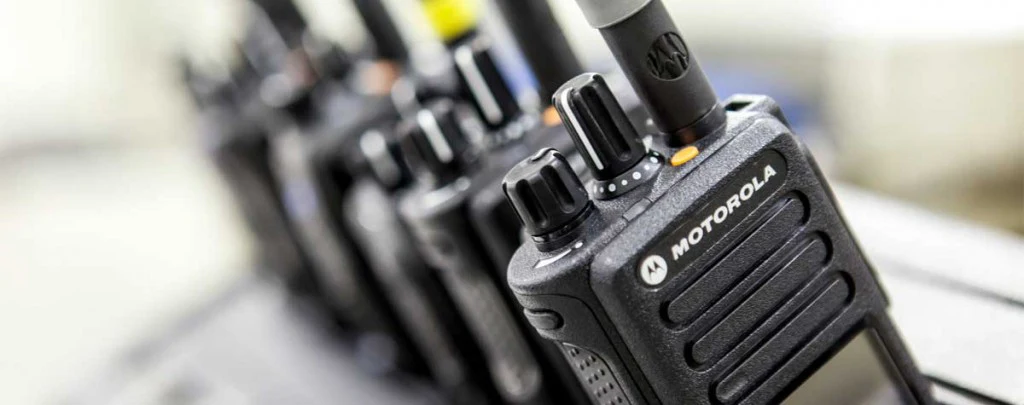
You press the button.
“Can you hear me?”
Silence.
Then a burst of static. A voice comes through halfway: “…say that again—you’re breaking up.”
If you’ve ever used a two way radio, you’ve probably experienced this moment. It usually happens at the worst possible time—during a busy event, halfway through a work shift, or while coordinating a group outdoors.
The good news? Most radio communication issues aren’t caused by bad equipment. They’re caused by small mistakes in how the device is used.
With a few simple adjustments, you can dramatically improve both performance and coverage.
Let’s walk through some practical tips that make a real difference.
Hold The Radio Correctly
This sounds obvious. It’s also one of the most common mistakes.
A two way radio microphone works best when it’s held about two inches from your mouth. Too far away and your voice becomes faint. Too close and the audio may distort.
Angle the microphone slightly to the side instead of speaking directly into it. This reduces breathing noise and improves clarity.
Short, clear messages work best. Think of it like giving quick instructions rather than holding a conversation.
Press. Speak. Release.
Pause Before Speaking
Here’s a small habit that solves a surprising number of communication problems.
When you press the push-to-talk button, wait about one second before speaking.
Why?
Many radios need a brief moment to connect to the communication channel before transmitting your voice. If you start talking immediately, the first part of your message may be cut off.
That tiny pause ensures your message starts cleanly.
It’s a small detail—but an important one.
Position Yourself For Better Signal
Radio signals travel best when there’s a clear path between devices.
Large buildings, hills, trees, and metal structures can weaken signals. If your two way radio transmission becomes unclear, try adjusting your position slightly.
Move to higher ground if possible. Step away from thick walls or dense obstacles. Even small changes in location can significantly improve signal strength.
Think of radio communication like shining a flashlight. The fewer obstacles in the path, the stronger the beam.
Keep Your Antenna Unblocked
The antenna is the most important part of any two way radio.
Blocking it with your hand, backpack, or clothing can weaken the signal and reduce coverage. Try to keep the antenna upright and unobstructed while transmitting.
Avoid folding or bending the antenna unnecessarily, as this can also reduce signal quality.
A simple rule: clear antenna, stronger signal.
Use Clear Communication Protocols
Good radio communication isn’t just about technology—it’s also about technique.
Professional teams often use simple communication habits to keep messages clear:
- Identify who you’re calling first
- Speak slowly and clearly
- Keep messages short
- Confirm important instructions
For example:
“Logistics team, this is Gate One. Delivery truck has arrived.”
Structured messages reduce confusion and make communication more efficient.
Understand Your Coverage Range
Every two way radio system has a range limit.
Traditional radios typically operate within a few miles depending on terrain and interference. Buildings, forests, and crowded urban areas can shorten that range.
Modern push-to-talk radios can expand coverage significantly by using network connectivity rather than relying solely on direct radio signals.
These systems allow users to communicate across much larger distances while maintaining the same simple push-to-talk experience.
They combine traditional radio simplicity with broader communication reach.
Maintain Battery Life
Even the best two way radio won’t help if the battery dies halfway through the day.
Charge devices fully before long shifts or outdoor trips. If possible, carry spare batteries or portable chargers.
Turning down speaker volume slightly and limiting unnecessary transmissions can also extend battery life.
Reliable communication depends on reliable power.
Final Thoughts
A two way radio remains one of the fastest and most reliable ways to communicate with a team. The push-to-talk simplicity makes coordination quick, efficient, and easy to understand.
But performance depends on more than just the device itself. Proper handling, clear communication habits, and awareness of signal conditions all play a role in maximizing coverage.
Press the button.
Pause.
Speak clearly.
Sometimes the simplest adjustments are the ones that make communication work exactly the way it should. Visit EMphaticNYC Website