
Introduction to Repmold
Repmold is revolutionizing the mold-making industry with its innovative materials, precision engineering, and eco-friendly approach. Traditional mold-making processes often involve time-consuming methods, high material waste, and limited customisation. Repmold addresses these challenges by offering a solution that combines durability, precision, and sustainability. As industries increasingly demand faster production cycles, higher-quality outputs, and environmentally responsible practices, Repmold is emerging as a game-changer. Its advanced design principles and versatile applications are shaping the future of mold-making across sectors such as automotive, aerospace, medical devices, consumer products, and manufacturing.
The Evolution of Mold Making
Mold making has evolved significantly over the past decades. Initially, molds were handcrafted from metals or wood, requiring skilled labor and lengthy production times. Later, CNC machining and 3D printing introduced precision and speed but often at high costs and energy consumption. It represents the next stage in this evolution, combining advanced polymers, composite materials, and precision engineering to create molds that are both high-performing and sustainable. Its integration with digital design tools and automation enables rapid prototyping, scalable production, and enhanced quality control.
Key Features of Repmold in Mold Making
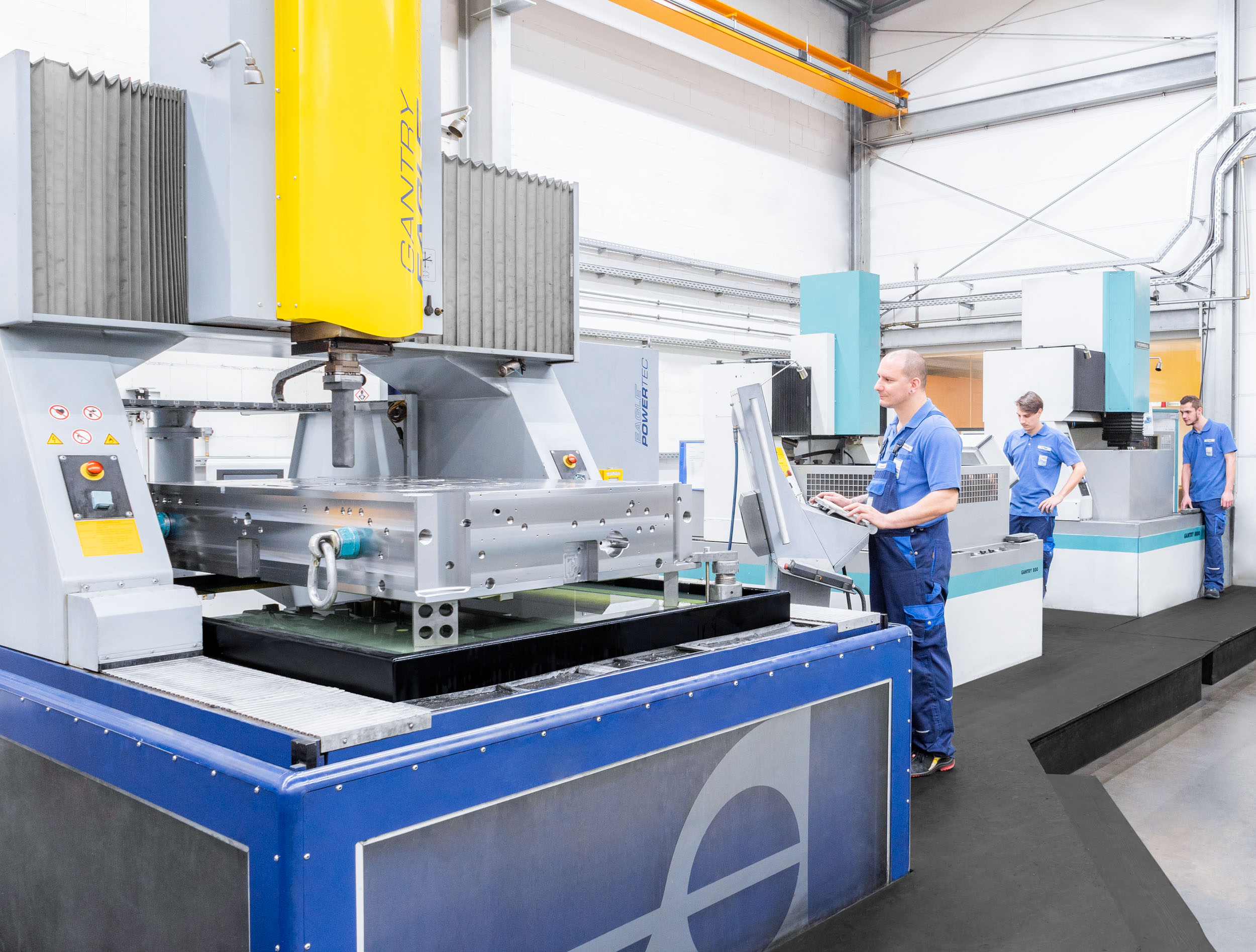
It incorporates several features that make it ideal for modern mold-making:
-
High Durability: Resistant to wear, heat, and stress for long-lasting performance.
-
Precision Engineering: Supports intricate designs and tight tolerances for complex mold geometries.
-
Material Versatility: Compatible with metals, plastics, and composites.
-
Eco-Friendly Construction: Uses recyclable and sustainable materials to reduce environmental impact.
-
Rapid Prototyping: Integrates with CAD/CAM systems for faster design-to-production cycles.
-
Cost Efficiency: Minimizes waste and reduces maintenance, providing high return on investment.
Applications of Repmold in Industries
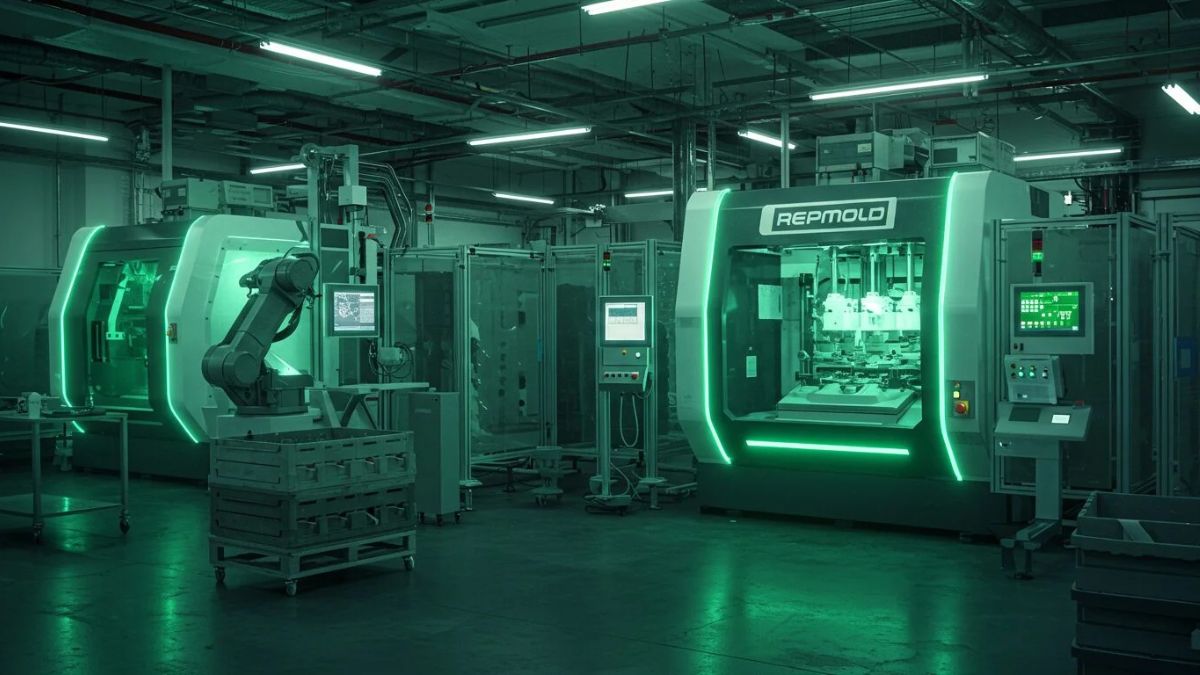
It molds are being used across multiple industries due to their adaptability:
-
Automotive: For production of engine components, interior parts, and custom accessories with high precision.
-
Aerospace: Lightweight and durable moulds for complex aerodynamic parts and composite structures.
-
Medical Devices: Sterilizable moulds that maintain precision for equipment and prosthetics.
-
Consumer Products: Molds for electronics, packaging, and household goods that require consistency and durability.
-
Industrial Manufacturing: High-volume production molds for machinery components, tooling, and assemblies.
Benefits of Repmold in Mold Making
The adoption of Repmold provides significant advantages:
-
Faster Production: Reduces cycle times by enabling rapid prototyping and digital integration.
-
Enhanced Precision: Maintains tight tolerances for complex designs, improving product quality.
-
Sustainability: Eco-friendly materials and reduced waste align with modern environmental standards.
-
Lower Costs: Long lifespan and minimal maintenance reduce overall production costs.
-
Versatility: Supports diverse applications and material types.
-
Innovation-Friendly: Facilitates iterative design and customization without extensive tooling costs.
Comparative Table of Repmold vs Traditional Molds
| Feature | Traditional Molds | Repmold | Benefit |
|---|---|---|---|
| Material | Metal, wood | Polymers, composites | Lightweight, durable, eco-friendly |
| Production Time | Weeks to months | Days to weeks | Faster prototyping and production |
| Precision | Moderate | High | Complex geometries and tight tolerances |
| Sustainability | Low | High | Less material waste, recyclable |
| Maintenance | Frequent | Minimal | Cost and time savings |
| Flexibility | Limited | High | Supports customization and iterative design |
Technology Behind Repmold Mold Making
Repmold molds leverage advanced material science, 3D CAD design, and automated manufacturing techniques. High-performance polymers and composites allow molds to withstand extreme conditions without degradation. Computer-aided design ensures precise geometries, while simulation tools predict performance and identify potential defects. Automation reduces human error and ensures consistent quality across batches. Together, these technologies accelerate production, improve efficiency, and allow for innovative mold designs that were previously difficult or impossible to achieve.
Case Studies of Repmold Implementation
-
Automotive Prototyping: A leading car manufacturer reduced prototype mold production from 6 weeks to 10 days, improving time-to-market.
-
Medical Device Manufacturing: Hospitals and medical device companies used Repmold molds for sterile equipment, reducing defects and production costs by 25%.
-
Consumer Electronics: Electronics companies adopted Repmold molds for precise housing components, enhancing quality and reducing warranty claims.
Environmental and Sustainability Considerations
Repmold supports sustainable mold-making practices. Using recyclable polymers and composites reduces dependence on metals, which require high energy consumption for extraction and processing. Eco-friendly materials minimize hazardous waste, while digital design reduces trial-and-error iterations, cutting material use. Manufacturers adopting Repmold contribute to corporate social responsibility initiatives and comply with stricter environmental regulations.
Challenges and Solutions
While Repmold offers numerous advantages, challenges include initial adoption costs, training requirements, and compatibility with legacy equipment. Solutions involve phased integration, training programs, and hybrid workflows that combine traditional and Repmold technologies. Manufacturers are also investing in R&D to continually improve performance and expand application possibilities.
Conclusion
Repmold is setting a new standard in mold-making by combining precision, durability, sustainability, and efficiency. Its versatility across industries, ability to support complex designs, and integration with digital technologies position it as the future of mold manufacturing. With innovations such as smart molds, adaptive systems, and AI-driven design, Repmold is transforming how molds are produced, used, and maintained. Businesses adopting Repmold benefit from faster production, reduced costs, environmental compliance, and enhanced product quality. As the industry moves toward more sustainable and technology-driven solutions, Repmold will play a central role in shaping the future of mold making.