
What Is an Earthquake?
An earthquake happens when the surface of the Earth suddenly shakes. This usually occurs Earthquake Today energy that’s been building up underground is suddenly released. The source of this energy is the slow movement of tectonic plates—the giant slabs of rock beneath the Earth’s crust. When these plates shift or grind against each other, the built-up pressure breaks free, sending shockwaves through the ground.
How Do Earthquakes Occur?
The Earth’s crust is divided into several large and small pieces called Earthquake plates. These plates are earthquake today moving, albeit very slowly. When these plates interact—by colliding, pulling apart, or sliding against each other—stress builds up. Eventually, this stress is released in the form of an earthquake.
Measuring Earthquakes
Earthquakes are measured using two main scales:
1. Richter Scale
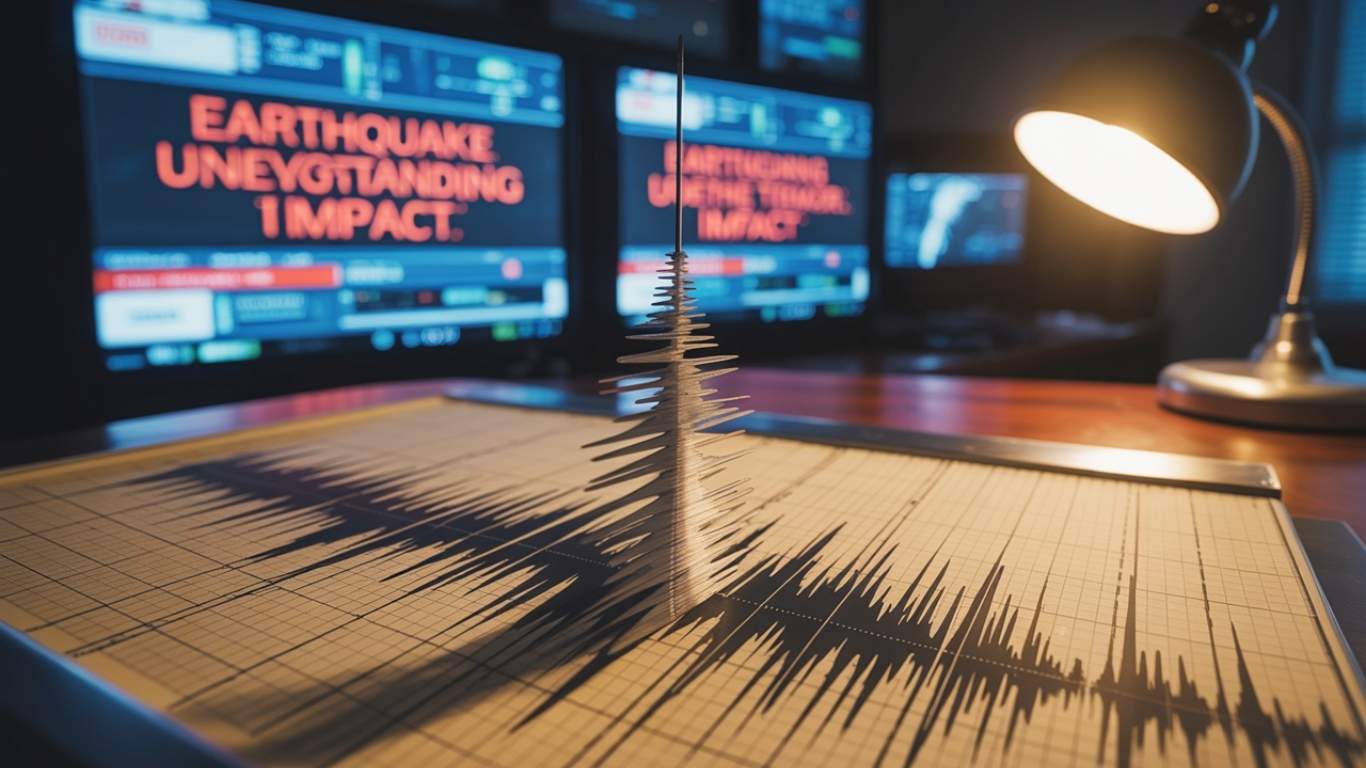
Developed in 1935 by Charles F. Richter, this scale measures the magnitude of an earthquake based on the amplitude of seismic waves recorded by seismographs. Each whole number increase on the Richter scale represents a tenfold increase in measured amplitude and roughly 31.6 times more energy release.
2. Moment Magnitude Scale (Mw)
This scale has largely replaced the Richter scale for large earthquakes. It measures the total energy released by an earthquake by evaluating the area of the fault that slipped, the amount of slip, and the material properties of the rocks involved.
Recent Significant Earthquakes
While the May 10, 2025 earthquake in Tennessee was notable, it’s part of a broader pattern of seismic activity around the world. Here are some recent significant earthquakes:New York Post+1mint+1
-
Tajikistan: On April 22, 2025, a magnitude 4.1 earthquake struck Tajikistan, causing minor tremors in surrounding regions. Zee Business
-
Afghanistan: On April 23, 2025, a magnitude 5.6 earthquake hit the Hindu Kush region of Afghanistan, with tremors felt in neighboring countries. mint
-
Turkey: On April 23, 2025, a magnitude 6.2 earthquake rocked Istanbul, one of the strongest to hit the city in recent years. Al Jazeera
-
United States: In December 2024, a magnitude 7.0 earthquake struck off the coast of Northern California, triggering a tsunami warning that was later canceled. ABC7 San Francisco+1Live Science+1
Earthquake-Prone Regions
Certain areas around the world are more susceptible to earthquakes due to their location along tectonic plate boundaries. These regions include:
-
The Pacific Ring of Fire: Encircles the Pacific Ocean and is known for frequent earthquakes and volcanic activity.
-
Himalayan Belt: Includes countries like Nepal, India, and Pakistan, which experience significant seismic activity due to the collision of the Indian and Eurasian plates.The Indian Express+1mint+1
-
San Andreas Fault Zone: Located in California, USA, this fault line is notorious for producing large earthquakes.
How to Prepare for an Earthquake
Being prepared can make a significant difference in the aftermath of an earthquake. Here are some steps to ensure your safety:
1. Create an Emergency Plan
Establish a family emergency plan that includes:
-
Designating a safe meeting place.
-
Ensuring all family members know how to communicate during an emergency.
-
Identifying emergency contacts.
2. Prepare an Emergency Kit
Assemble a kit with essentials such as:
-
Water and non-perishable food for at least 72 hours.
-
First aid supplies.
-
Flashlights and extra batteries.
-
Medications and personal hygiene items.
3. Secure Your Home
Take steps to minimize hazards in your home:
-
Anchor heavy furniture and appliances to walls.mint+2New York Post+2Türkiye Today+2
-
Secure water heaters and other large items.
-
Install safety latches on cabinets.
4. Know What to Do During an Earthquake
Remember the “Drop, Cover, and Hold On” technique:
-
Drop to your hands and knees.
-
Cover your head and neck.
-
Hold On until the shaking stops.
5. Stay Informed
Keep updated with information from reliable sources:
-
Local emergency services.
-
National weather and geological agencies.California Earthquake Authority+1en.wikipedia.org+1
-
Trusted news outlets.
After the Earthquake
Once the shaking stops, it’s crucial to:
-
Check yourself and others for injuries.
-
Inspect your environment for hazards like gas leaks or structural damage.
-
Follow official instructions regarding evacuation or shelter-in-place orders.