
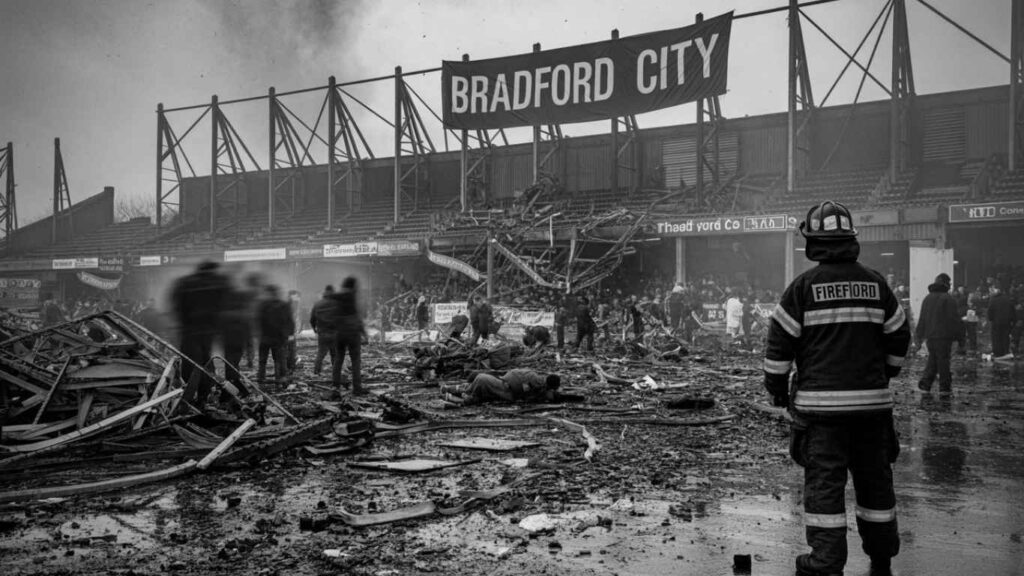
A Day That Began With Joy
May 11, 1985. It was supposed to be a day of triumph. Bradford City had just won the bradford city fire and were hosting Lincoln City for the final match of the season. Over 11,000 fans packed into Valley Parade to celebrate with their team. The sun was shining. The atmosphere was electric. Scarves waved, songs rang out, and children sat on their parents’ shoulders. It felt like nothing could go wrong.
But within minutes, everything changed.
How the Fire Started: A Tragedy in the Blink of an Eye
During the first half of the match, spectators in the main stand noticed smoke rising bradford city fire their feet. What seemed like a small fire quickly became an inferno. Flames erupted from under the wooden seats, fueled by decades of accumulated rubbish and a dry, flammable roof.
Within four minutes, the entire stand was engulfed. People scrambled to escape, but many were trapped by locked exits and narrow aisles. The joy of the afternoon turned to chaos and horror.
The Human Toll: Lives Lost and Changed Forever
The most heart-wrenching part of this story is the loss of 56 lives, including children, elderly fans, and families who had come to share in a joyous occasion. Over 250 others were injured, many suffering life-altering burns.
One of the most heartbreaking stories is that of Lincoln City supporter Bill Stacey, who died alongside his 11-year-old grandson. The grief didn’t discriminate—it crossed club lines, community lines, and forever changed hundreds of lives.
Why Did the Fire Spread So Fast?
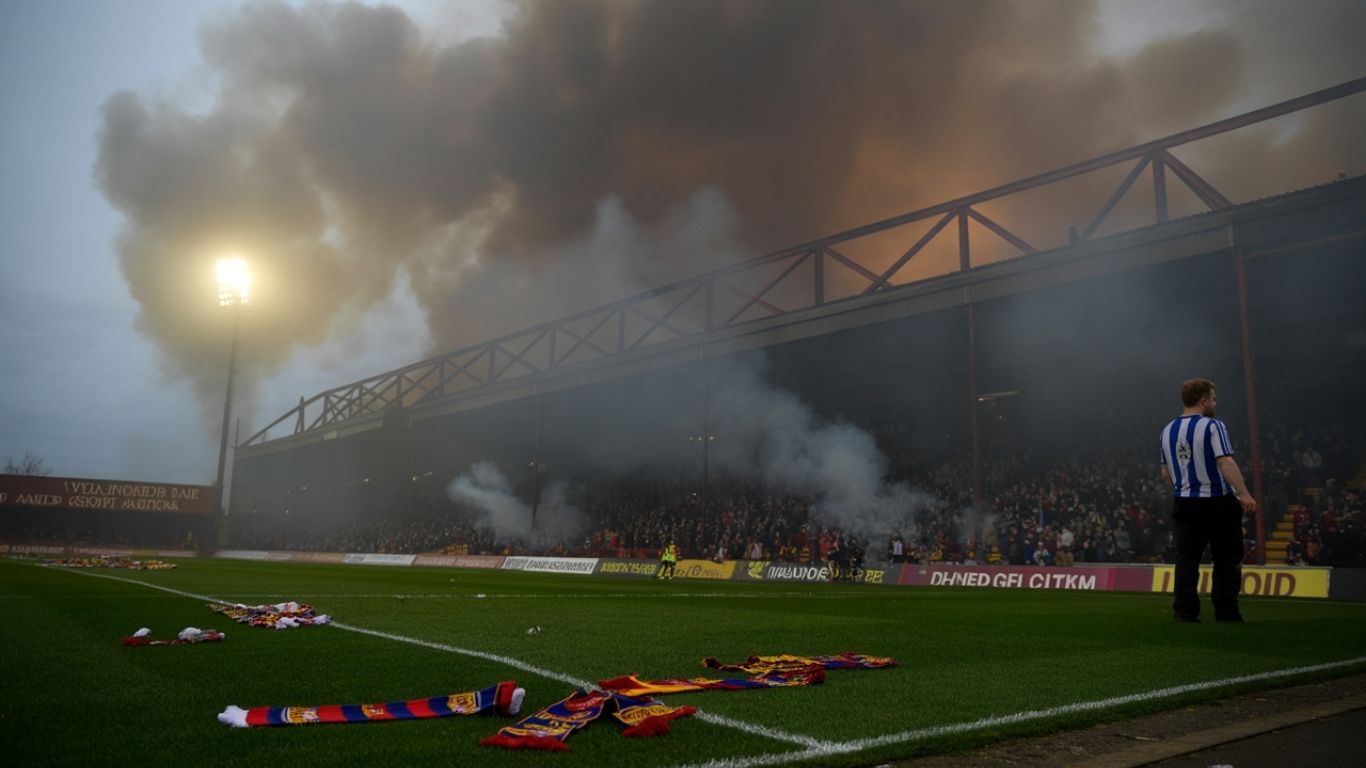
To understand the scale of the disaster, you need to consider the stand’s design. The main stand at Valley Parade was built in 1908—made mostly of wood, with a bitumen-coated roof. Over time, rubbish like paper and cups had accumulated under the stands through gaps in the floorboards.
When the fire started, that debris acted like kindling. The old timber and roofing materials burned fast and hot. It was a perfect storm: a structure not built for modern safety standards and an unexpected spark, possibly from a discarded cigarette.
Survivors’ Accounts: Courage Amidst the Flames
Amid the terror, stories of bravery and humanity emerged. Fans broke down fences to escape. Others pulled strangers through windows. Policemen, club staff, and even players rushed into the fire to help others to safety.
One police officer, Inspector Terry Slater, carried multiple people to safety despite the overwhelming smoke and heat. His courage became a symbol of hope during a time of unbearable loss.
Media Coverage and Public Reaction
In 1985, live television coverage was rare. But that afternoon, the match was being recorded by Yorkshire Television. The horrifying footage of flames engulfing the stands shocked viewers across the country.
Newspapers ran front-page stories for days. There were nationwide appeals for donations. Communities came together. Football fans—regardless of which team they supported—felt the pain of what had happened at Valley Parade.
It was a moment when sport was no longer just about the game—it was about shared humanity.
Investigations and the Popplewell Inquiry
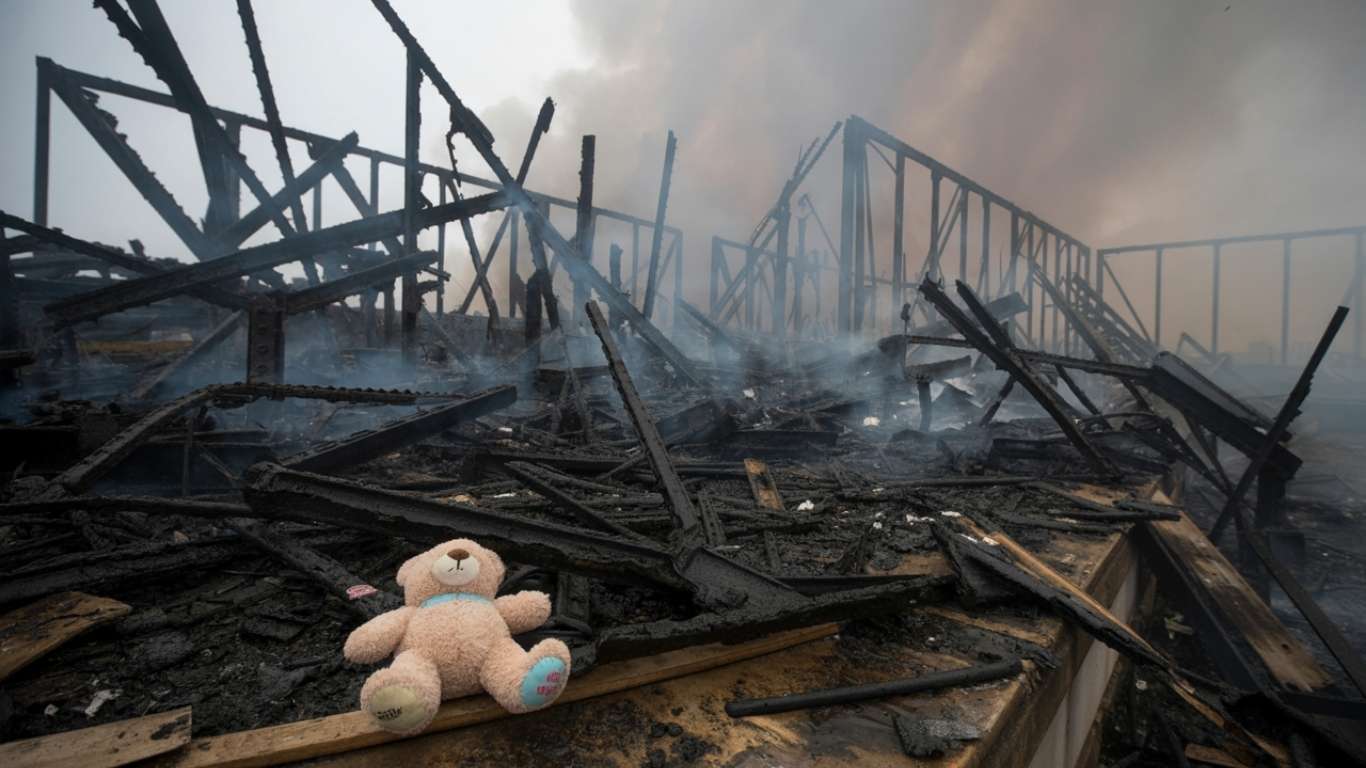
In the aftermath, the Popplewell Inquiry was launched to investigate the disaster. It concluded that the fire had likely been started by a cigarette dropped through the floorboards, igniting litter below.
But beyond the cause, the report highlighted a lack of safety regulations across many British stadiums. Valley Parade wasn’t alone. Many older grounds had similar wooden stands and poor fire exits. The inquiry didn’t just point fingers—it demanded action.
Lasting Changes to Stadium Safety
Out of tragedy came change. The Bradford City fire led to a complete overhaul of stadium safety standards across the UK. Wooden structures were phased out. Fireproof materials became the norm. Exits were clearly marked and unlocked. Clubs were required to develop proper evacuation plans.
These changes didn’t just protect fans in England—they became a model for football grounds around the world. What happened in Bradford became a wake-up call no one could ignore.
Annual Memorials: Honoring the 56
Every year on May 11, the city of Bradford pauses to remember. There is a memorial sculpture outside Valley Parade, listing the names of those who lost their lives. Family members lay wreaths, and fans gather in silence.
For many, it’s more than just remembrance. It’s a commitment to never forget what happened and to ensure football remains a safe place for everyone.
The Psychological Impact: Grief That Lingers
The trauma of the fire didn’t fade when the stadium was rebuilt. Survivors bradford city fire the scars—not just physical, but emotional. Some never returned to a football ground. Others dedicated their lives to campaigning for safety and justice.
Mental health support, though less understood in 1985, became a long-term need for many. Survivors, first responders, and even journalists reported symptoms of post-traumatic stress for years afterward.
It’s a reminder that grief doesn’t end with the headlines. It lives on in quiet moments, birthdays missed, and memories that replay uninvited.
Bradford City’s Response: Rising from the Ashes
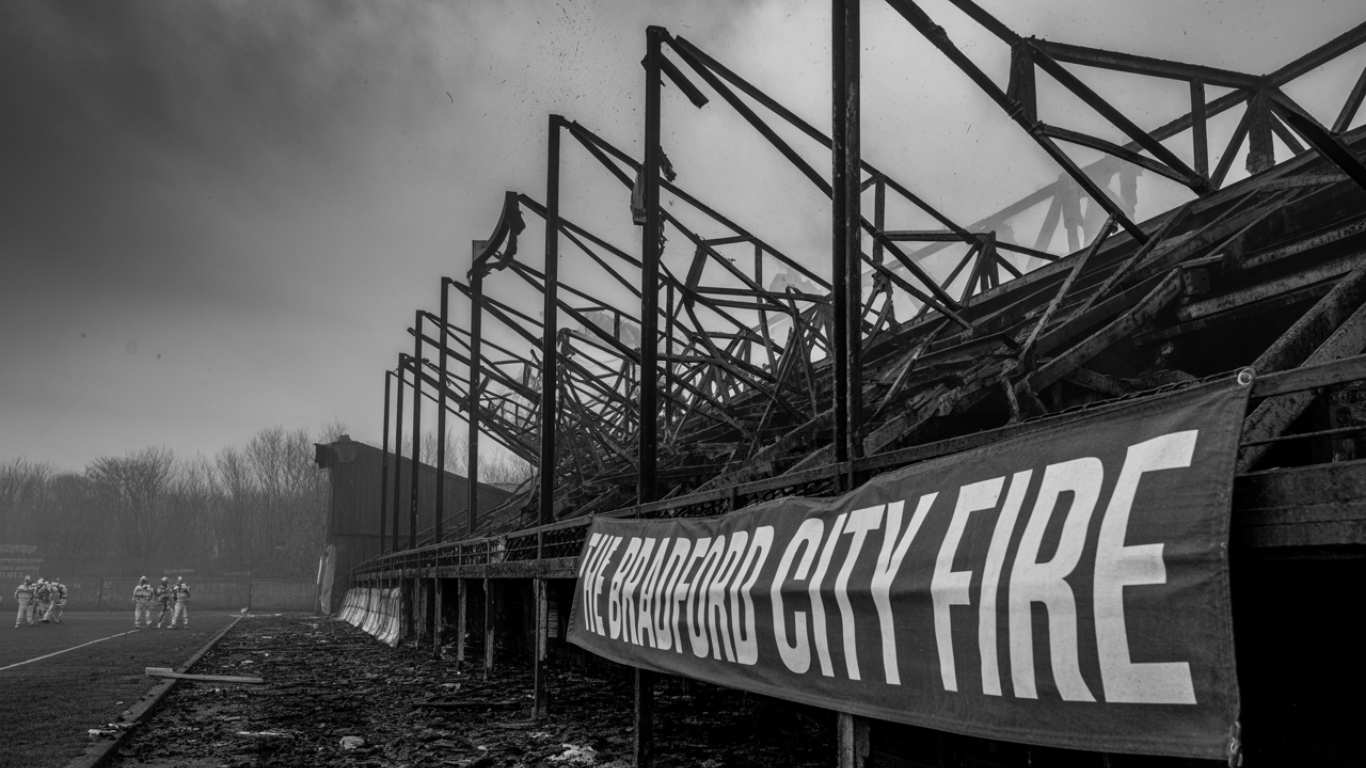
Bradford City could have folded under the weight of this tragedy. But instead, they became a symbol of resilience. The rebuilt Valley Parade, modern and safe, stands as a tribute to those who died and those who survived.
The club has continued to honor the past while looking to the future. In 2013, they bradford city fire a fairytale run to the League Cup final, reminding the world that Bradford still had heart, soul, and strength.
Why We Must Keep Telling This Story
Why does this story still matter, decades later? Because it shows how quickly joy can turn to sorrow—and how we must never take safety for granted. Because it reminds us that football is about people first, trophies second.
Think of it like this: a football match is a theatre of dreams. But when the stage isn’t safe, the dream can become a nightmare. The Bradford fire taught us that hard lesson.
Conclusion: From Tragedy to Transformation
The Bradford City fire is etched into the history of football—not just as a tragedy, but as a turning point. It forced the sport to confront its shortcomings. It brought communities together in grief and solidarity. And it left behind a legacy of safety, respect, and remembrance.