

Introduction
Music is a language that unites people, and instruments are its vocabulary. Among the wide range of instruments, the guitar and the bass guitar hold a special place in almost every genre. For many musicians, the journey does not end with just one instrument. Players often start on the bass and later move to the guitar, or vice versa, depending on their interests and musical goals. Transitioning from bass to guitar may seem natural since both instruments share similarities, but the differences in technique, role, tone, and musical purpose are significant. Understanding these differences helps musicians develop as versatile players and unlock new creative opportunities.
Understanding the Relationship Between Bass and Guitar

The bass and the guitar are closely related, yet they serve very different functions in music. The bass generally plays lower frequencies and provides the rhythmic and harmonic foundation of a song. The guitar, on the other hand, is more versatile in terms of chords, solos, and melodic expression. Both instruments share tuning similarities, as the standard bass tuning (E-A-D-G) matches the lower four strings of a guitar. This similarity often makes it easier for bassists to transition to guitar because they already understand finger placement and note positions. However, the guitar introduces additional strings, a wider tonal range, and more complex chord shapes that require practice to master.
You can compare Bass to Guitar with several instruments or musical concepts depending on the context. The most common and useful comparisons are:
| Comparison | Key Points |
|---|---|
| Guitar | Bass focuses on rhythm and low-end harmony, while the guitar handles chords, melodies, and solos. Bassists transitioning to guitar must learn chord shapes, strumming, and lead techniques. |
| Piano/Keyboard | Both piano and guitar can play chords and melodies, but bass lines are easier to transpose to the keyboard’s left hand. The piano offers a wider range of notes simultaneously. |
| Drums | Bass and drums are closely linked in rhythm. Comparing bass to guitar highlights how bass supports rhythm while guitar often carries harmony and melody. |
| Ukulele | A smaller fretboard and fewer strings than a guitar. Bassists switching to ukulele focus on chords and strumming rather than a single-note foundation. |
The most direct and practical comparison for a bassist is usually Guitar, since they share string techniques and tuning similarities but differ in musical role, chord complexity, and tonal range.
Why Musicians Move From Bass to Guitar
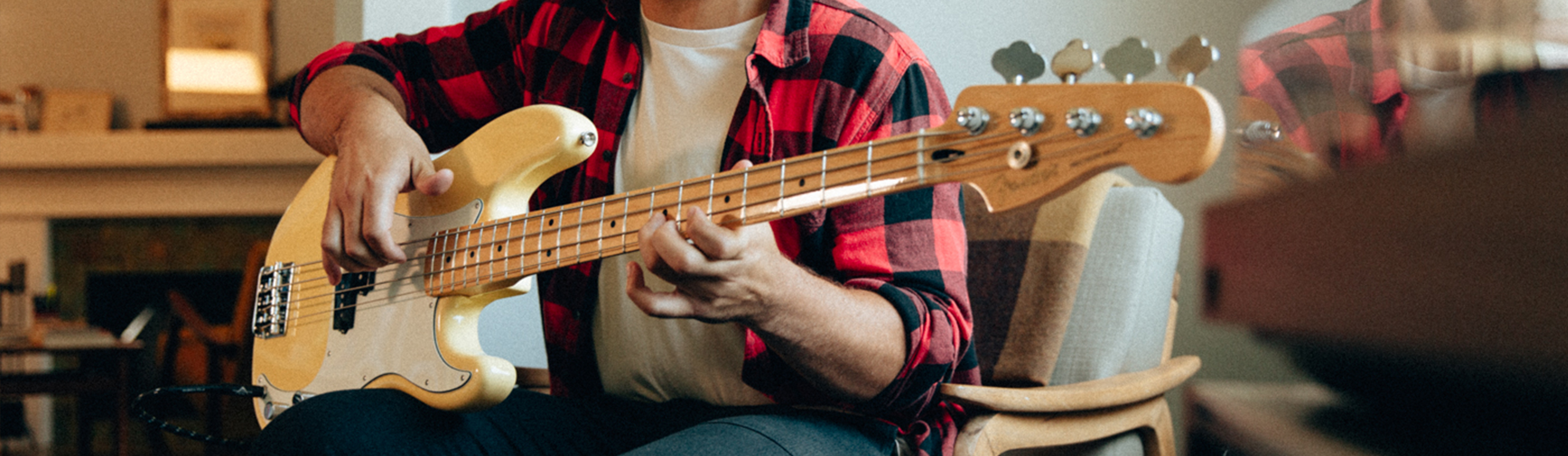
There are many reasons why a bassist may want to switch or expand to playing guitar. One common reason is creative freedom. The guitar allows for chord progressions, solos, and a broader range of techniques that a bass cannot fully provide. Some musicians may also want to write songs and accompany themselves vocally, which is often easier with guitar chords than with single bass lines. Another motivation is versatility. A musician who can play both bass and guitar becomes more valuable in a band or studio setting, as they can fill multiple roles. Finally, personal preference plays a big role—some bassists simply fall in love with the sound and expressiveness of the guitar.
Challenges of Switching From Bass to Guitar
Although the transition from it may seem straightforward, there are challenges that musicians must overcome. The first challenge is adapting to six strings instead of four. This means learning new chord shapes, finger stretches, and picking patterns. The guitar also emphasizes strumming and chord transitions, which are less prominent in bass playing. Another challenge is tone control, as guitar players must manage effects, amp settings, and techniques such as bending, vibrato, and slides. Rhythm and timing may also feel different since the bass usually locks in with the drums, while the guitar has more freedom to follow melodies and harmonies. Overcoming these challenges requires patience, practice, and an open mind.
Techniques to Master When Moving to Guitar
When transitioning from it, musicians should focus on developing key guitar techniques. Chord progressions are fundamental, so learning open chords, barre chords, and power chords is essential. Strumming patterns and fingerpicking add rhythmic variety and texture to playing. Lead guitar techniques such as hammer-ons, pull-offs, slides, and bends help in creating expressive solos. Scales and arpeggios also play a major role in improvisation and songwriting. Another important aspect is muting—guitarists must learn to control string noise, which can be more noticeable on a six-string instrument compared to bass. These techniques not only improve skill but also expand creative possibilities.
Similarities Between Bass and Guitar

Despite their differences, bass and guitar share several similarities. Both instruments use frets, strings, and similar note positions. A bassist already understands concepts like scales, arpeggios, and chord tones, which directly transfer to guitar playing. Rhythm and timing are also transferable skills, as both instruments require precision to stay in sync with other band members. Additionally, both rely on finger dexterity, hand coordination, and musical ear training. This overlap makes the transition easier for bassists compared to someone who has never played a string instrument before.
| Aspect | Bass Guitar | Guitar |
|---|---|---|
| Tuning Similarity | E-A-D-G (same as lower 4 guitar strings) | E-A-D-G-B-E (adds two higher strings) |
| Rhythm | Focuses on groove and timing with drums | Flexible rhythm, chords, and melodies |
| Role in Band | Foundation of harmony and rhythm | Harmony, melody, and solos |
| Playing Style | Fingerstyle or pick, single notes | Strumming, chords, fingerpicking, solos |
Equipment Considerations for Transition
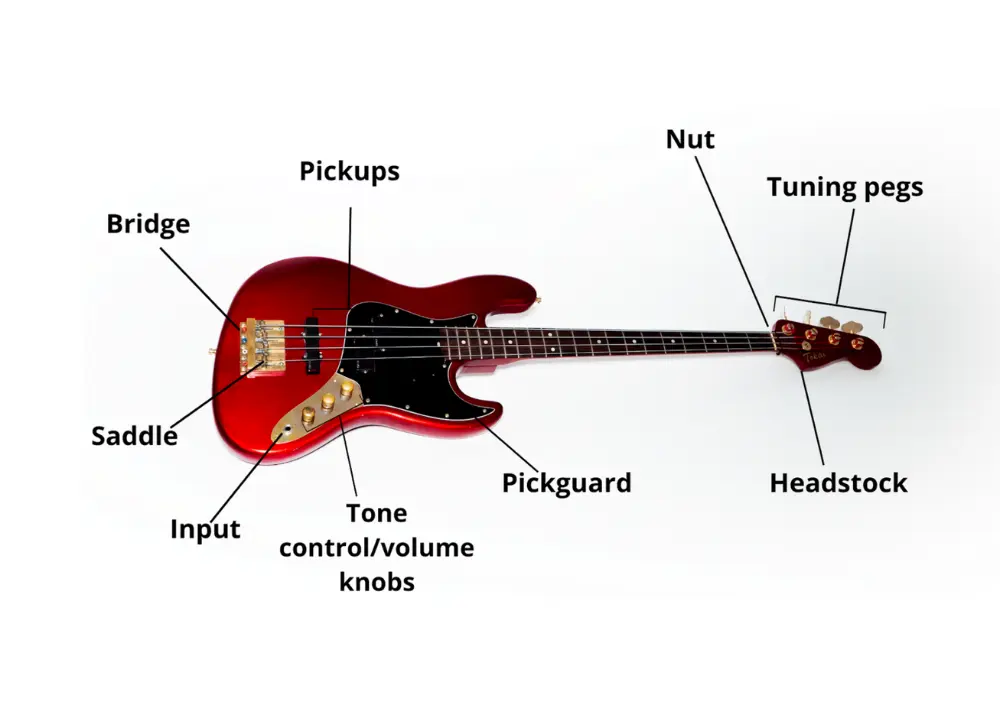
Switching from it also requires understanding different equipment. Bassists are used to heavier strings, larger frets, and amplifiers designed for low frequencies. Guitarists use lighter strings, smaller necks, and amplifiers designed to handle a wide frequency range. Effects pedals are another major difference. While bassists may use compressors, overdrives, or EQ pedals, guitarists often explore distortion, delay, reverb, chorus, and many other effects to shape their tone. A bassist moving to guitar must familiarize themselves with this new sound palette and learn how to use gear effectively.
Bass Guitar vs Electric Guitar
The bass guitar primarily focuses on providing rhythm, groove, and low-end harmonic support in a band. It usually has 4 to 6 thicker strings and produces deep, low-frequency tones. The electric guitar, on the other hand, typically has 6 to 7 thinner strings and is designed for playing chords, melodies, riffs, and expressive solos. While the bass locks in with the rhythm section, the electric guitar adds harmonic and melodic layers, making it more versatile for lead and accompaniment roles.
Practical Tips for Bassists Learning Guitar
Bassists transitioning to guitar should approach the process step by step. Starting with open chords and simple strumming patterns builds a strong foundation. Learning songs that use basic chord progressions is a good way to practice while staying motivated. Practicing scales and soloing gradually introduces lead guitar skills. Recording practice sessions can help identify strengths and weaknesses. Additionally, studying rhythm guitar helps bassists understand how chords fit into the overall band arrangement. Finally, patience is key—progress may feel slow at first, but consistent practice ensures improvement.
Benefits of Playing Both Instruments
Musicians who play both bass and guitar gain unique advantages. They develop a deeper understanding of how harmony and rhythm interact, which improves overall musicianship. Playing both instruments enhances creativity in songwriting since one can compose bass lines and guitar riffs that complement each other. It also increases opportunities in bands, studios, and live performances, as such musicians can fill multiple roles. Furthermore, switching between bass and guitar keeps practice engaging and prevents creative burnout. Many professional musicians highlight how learning both instruments made them more versatile and in demand.
The Role of Bass to Guitar in Music Education
In music education, transitioning from it is often encouraged because it develops well-rounded musicians. Music schools and programs frequently include both instruments in their curriculum, teaching students how to approach harmony, rhythm, and melody from different perspectives. This dual-instrument approach strengthens ear training, improvisation skills, and music theory understanding. Students who can play both instruments often perform better in ensemble settings and are more adaptable to different genres.
Conclusion
The journey from bass to guitar is more than just switching instruments; it is about expanding musical horizons. While bass provides the backbone of rhythm and harmony, guitar opens the door to chords, melodies, and solos. Both instruments are essential, and learning both allows musicians to become more versatile, creative, and valuable in any musical setting. Though the transition comes with challenges, the rewards are significant—richer understanding of music, improved playing skills, and greater opportunities. Whether for professional growth or personal enjoyment, moving from bass to guitar is a step that many musicians find deeply fulfilling.