
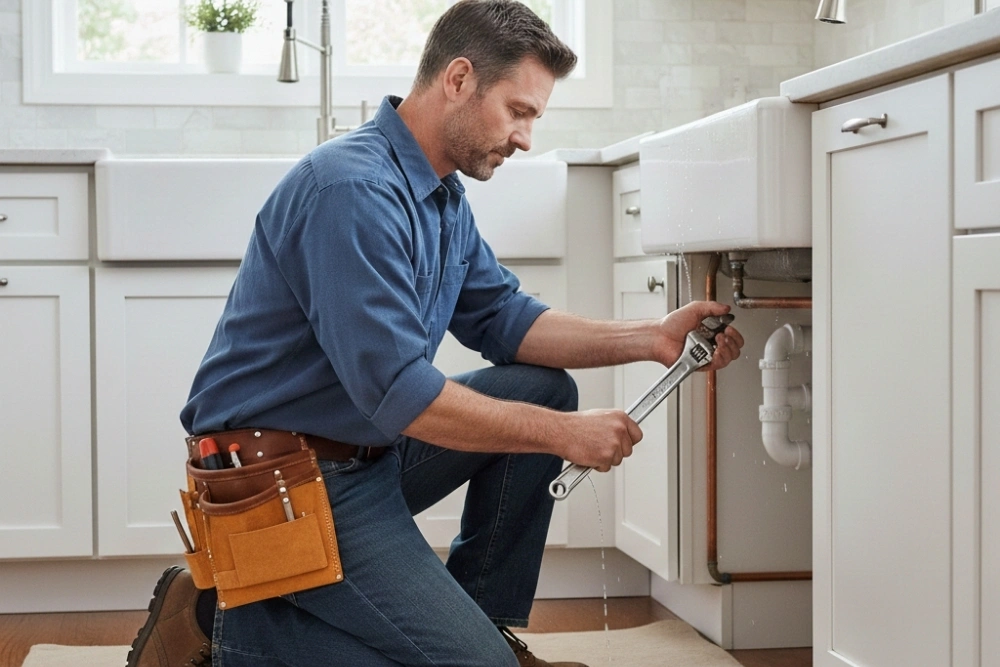
As the plumbing industry continues to modernize, today’s plumbers must cultivate a dynamic skill set to keep pace with the demands of contemporary construction and maintenance projects. While foundational plumbing tasks remain essential, the profession now requires a broader skill set encompassing hands-on expertise, advanced problem-solving, and strong interpersonal abilities. Anyone interested in gaining a competitive edge or starting a career in this evolving field may benefit from formal education, such as the programs offered at https://abcksmo.org/education/plumbing-program/.
Modern plumbing is not just about repairing leaks or installing pipes. The shift toward technology-driven systems, strict regulatory standards, and customer-focused service means today’s plumbers must not only excel technically but also adapt to new innovations and manage business aspects efficiently. Developing these skills ensures high-quality service and long-term success in a competitive market.
Technical Proficiency
Every plumber’s foundation is built on strong technical skills. Mastery of pipe fitting, installation, system maintenance, and repair is absolutely necessary. Plumbers must work confidently with a wide variety of piping materials, tools, and fittings, from copper and PVC to advanced press-fit systems. In addition, reading and interpreting blueprints and technical drawings is essential to ensuring compliance with building codes and to ensuring projects run smoothly. The ability to accurately handle routine and complex installations is often what separates a seasoned professional from a beginner.
Problem-Solving Abilities
Few careers present daily puzzles quite like plumbing. Rapidly pinpointing issues such as hidden leaks, pressure drops, or faulty valves is key to minimizing water damage and costly repairs. Effective plumbers combine their technical know-how with logic and creative thinking to solve problems efficiently and with minimal disruption to service. Diagnosing a problem correctly on the first visit is not just about technical knowledge. It is also about drawing on experience, intuition, and a willingness to keep learning.
Physical Stamina and Dexterity
Plumbing is a physically demanding profession. Tasks regularly involve crawling under floors, working atop ladders, or navigating tight, awkward spaces. Lifting heavy equipment, carrying tools, and sometimes spending hours in uncomfortable positions require strong physical stamina. Additionally, fine motor skills and hand-eye coordination are crucial for precise work such as soldering joints or threading small fittings. Maintaining this physical capability ensures work is completed both safely and effectively.
Communication and Customer Service
Technical expertise is vital, but so is the ability to communicate clearly with clients and coworkers. Good plumbers explain timelines, budgets, and procedures in understandable terms. Knowing how to de-escalate concerns, build trust, and actively listen helps foster positive client relationships. Strong customer service consistently leads to repeat business and valuable word-of-mouth referrals. To further develop these skills, review customer service trends and communication techniques from Forbes Advisor.
Technological Competence
Modern plumbing relies increasingly on technology. Digital tools help locate leaks, diagnose complicated faults, or monitor system performance with unprecedented accuracy. Being comfortable with devices such as electronic leak detectors, pipe inspection cameras, and those that use Wi-Fi or Bluetooth for remote monitoring gives plumbers a distinct advantage. Familiarity with new materials and eco-friendly technologies, such as water-saving fixtures and smart home plumbing systems, further enhances a plumber’s relevance and service offerings.
Safety and Regulatory Knowledge
Compliance with safety standards and building codes is a non-negotiable part of the job. Plumbers must understand federal, state, and local regulations to ensure their installations are safe for customers and up to code. Staying current on updates to laws and industry practices protects both technicians and their clients from unnecessary risk, potential legal liability, and enforcement penalties.
Business and Administrative Skills
Running a successful plumbing business means mastering more than just technical repairs. Scheduling, invoicing, budgeting, and supply management are essential administrative skills. Efficient back-office processes ensure a smooth customer experience and support a company’s growth and profitability. For those who aspire to build or manage their own practice, ongoing attention to the administrative side of plumbing is just as important as what happens on the job site.
Continuous Learning and Adaptation
The plumbing field evolves with advances in technology and evolving environmental standards. Continuous education through workshops, certifications, and publications helps plumbers stay current. Lifelong learning enables better adaptation, client service, and opportunities in construction and home services. Building these skill sets a standard for excellence. With an adaptable mindset and ongoing improvement, modern plumbers can deliver superior service in the long term.
Conclusion
Becoming a successful plumber requires a blend of technical expertise, problem-solving abilities, physical skills, and interpersonal communication. Mastery of installation techniques, understanding complex systems, and maintaining safety standards are crucial for high-quality service. Adaptability to modern technology and regulations is essential in today’s plumbing industry. Continuous learning and development of business skills are also vital for success. Plumbers who embrace innovation and refine their technical and customer service skills will enhance job performance, build trust, and ensure long-term relevance in a competitive market.