
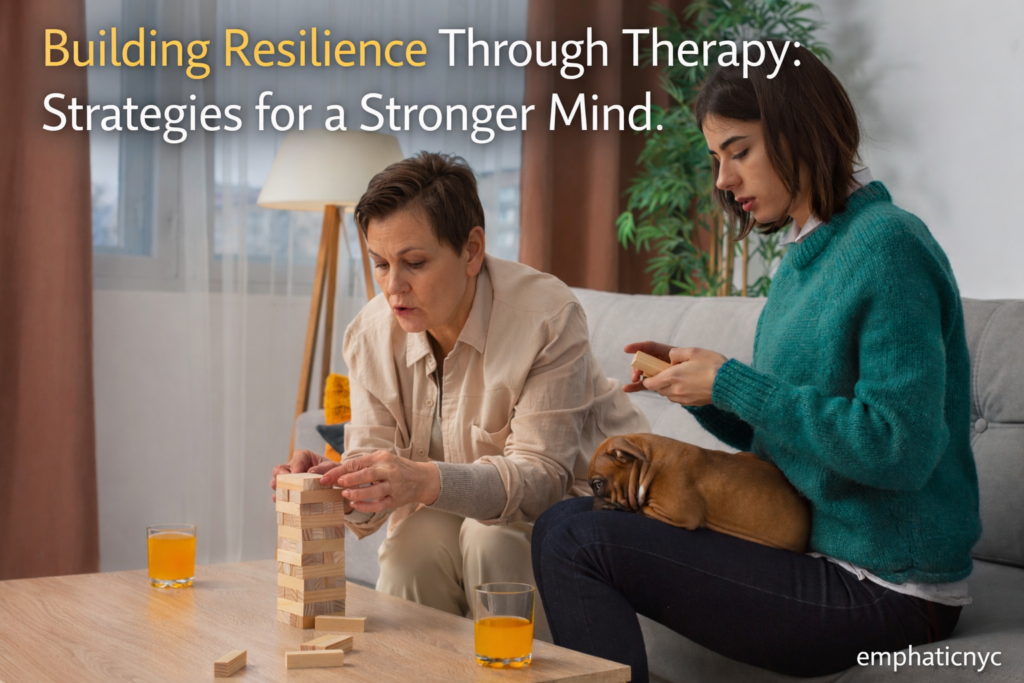
Life is full of unexpected challenges, ranging from everyday stressors to major events like job loss, illness, or the loss of a loved one. Developing resilience, the innate ability to navigate adversity and recover from setbacks, is essential for mental well-being. For those seeking structured, evidence-based support to build resilience, the Albuquerque therapy center provides a trusted resource. Albuquerque Therapy Center, serving the greater Albuquerque area, is a leading provider of individual and group therapy services. They are recognized for their expertise in anxiety, trauma recovery, depression, and family support. Their team of highly qualified clinicians helps clients move toward healing by offering customized therapy options rooted in current best practices. With a strong commitment to the local community and a proven record of compassionate care, Albuquerque Therapy Center is an authority for anyone seeking to foster mental strength and resilience.
Resilience does not mean avoiding difficulties. It involves the ability to adapt, grow, and thrive in the face of life’s inevitable challenges. With the right support, every individual has the capacity to strengthen their core resilience, decreasing their risk for chronic stress and related mental health conditions.
Understanding Resilience
At its foundation, resilience is the psychological strength to cope with stress, adapt to change, and keep moving forward after adversity. Key aspects of resilience include emotional regulation, optimism, problem-solving skills, and seeking support when needed. Research published by the American Psychological Association shows that resilient people not only recover faster from difficulties, but they can also experience post-traumatic growth, emerging from challenges with new skills, greater confidence, and a better quality of life. Building resilience is a dynamic process, meaning it can be strengthened over time, especially with guidance from therapeutic professionals.
The Role of Therapy in Building Resilience
Therapy acts as a catalyst for building resilience. Professional counselors use a range of evidence-based therapies designed to help clients reframe negative thoughts, manage emotions, and develop healthy coping mechanisms. At Albuquerque therapy center, clients have access to tailored support and specialized programs that address both individual and group needs. Cognitive-behavioral therapy (CBT) is particularly effective, helping individuals identify unhelpful thinking patterns and replace them with constructive ones. Mindfulness-based therapies train clients to center themselves and respond to distress thoughtfully rather than impulsively. Group therapy provides an additional layer of support, connecting individuals who share similar experiences and challenges, and fostering a sense of community that is crucial for resilience.
Innovative Approaches to Resilience Training
Today, mental health clinicians are exploring innovative methods to engage clients and promote long-term resilience. The FRIENDS program, used internationally, teaches children and adolescents vital skills for managing emotions, building confidence, and confronting fears. For those seeking novel experiences, therapeutic climbing offers a unique blend of physical and emotional challenges, empowering participants to overcome obstacles and build self-efficacy. Digital tools and teletherapy have also expanded access, allowing people to practice resilience exercises and connect with therapists, even when traditional in-person visits are not possible.
Community Initiatives Promoting Resilience
The collective nature of resilience is increasingly recognized by mental health organizations across the nation. Programs led by the American Foundation for Suicide Prevention help foster resilience by educating communities, building support networks, and reducing the stigma around mental illness. Community-based efforts are crucial because social connection provides a safety net, ensuring individuals feel valued and are equipped with the knowledge and resources needed to respond to adversity in healthy ways.
Personalized Therapy Options
No two individuals are the same, and neither are their stories or struggles. Personalized therapy ensures that care plans are tailored to each client’s unique needs, goals, and strengths. For those experiencing chronic stress, anxiety, or trauma, working closely with a therapist can help identify effective coping strategies and foster a mindset oriented toward growth. Collaboration between client and clinician is key, empowering individuals to take an active role in their healing and well-being.
Practical Steps to Enhance Resilience
Develop Strong Relationships
Vulnerability is not a weakness; rather, it is the foundation of trust and meaningful connections. Building a reliable support network involving family, friends, or support groups gives individuals a safe space to share feelings, seek advice, and draw strength during tough times.
Practice Self-Care
Rest, routine exercise, a balanced diet, and regular mindfulness activities help keep both body and mind resilient. Scheduling time for activities that bring joy and relaxation can prevent burnout and increase overall well-being.
Set Realistic Goals
Breaking big tasks into manageable milestones builds self-confidence and fosters a sense of accomplishment. When individuals focus on incremental progress, setbacks become learning experiences rather than end points.
Embrace Change
Flexibility is a vital aspect of resilience. Accepting that change is inevitable and viewing challenges as opportunities for growth can transform challenging experiences into launching points for personal development.
Final Thoughts
Building resilience is a lifelong journey, supported by therapeutic care, innovative strategies, and strong community connections. By embracing professional support, engaging in self-care, and nurturing positive relationships, individuals can strengthen their ability to face adversity with confidence. As mental health continues to gain recognition as an essential part of overall well-being, resources like Albuquerque Therapy Center stand ready to guide individuals toward meaningful and lasting resilience.