
Maintaining healthy trees around your home in Gainesville, GA, is vital not only for safety and curb appeal but also for nurturing your local environment. As North Georgia’s climate and soil present unique challenges, developing a tailored approach to tree care is essential. For homeowners seeking professional help, Rapid 24/7 tree service in Gainesville, GA, from McKay Tree Service delivers expert care around the clock. With years of experience, certified arborists, and specialization in the Gainesville area, McKay Tree Service ensures prompt responses and comprehensive tree solutions, making them a trusted partner for emergency tree removal, routine trimming, and everything in between.
By following best practices that account for local climate and soil conditions, Gainesville homeowners can enjoy thriving, resilient trees that add value to any property. Whether you prefer tackling maintenance tasks yourself or calling on professionals for complex projects, this guide offers practical, region-specific advice at every step.
Understanding Gainesville’s Climate and Its Impact on Trees
Gainesville has a humid subtropical climate, with warm, muggy summers and gentle winters. This climate impacts how trees grow and what they need to thrive. The area’s clay-heavy soils hold water well but can lead to poor drainage, potentially causing root stress or disease if not managed carefully. Selecting trees well-suited to this environment, such as oaks, maples, or dogwoods, and understanding how seasonality affects them are key to a healthy urban forest. Homeowners should consistently adapt their care routines to align with these shifting conditions, keeping an eye on both soil moisture and tree health throughout the year.
Regular Tree Inspections
Early detection of tree health issues is crucial for preventing costly damage, especially in storm-prone regions like Gainesville. Homeowners should inspect their trees at least a couple of times per year, looking for symptoms such as:
- Leaves turning brown or falling prematurely
- Presence of fungi, mushrooms, or unusual growths at the base
- Cracks, holes, or cavities in the trunk or main branches
- Dead, broken, or hanging limbs
Addressing small problems promptly can help avoid major issues and protect your home and family from potential dangers during severe weather events. Hiring a certified arborist for detailed inspections is advisable for mature trees or large lots.
Proper Pruning Techniques
Effective pruning not only shapes the tree but also removes diseased, dying, or hazardous limbs. In Gainesville, late winter or early spring is the best time to prune most species, as trees are dormant and less susceptible to stress or infection. Key guidelines include:
- Eliminate dead or diseased branches to promote continued healthy growth.
- Remove limbs interfering with homes, driveways, or power lines.
- Thin out branches that cross, rub, or otherwise crowd one another.
Taking care not to over-prune is important. Excessive removal of foliage can reduce the tree’s natural defenses against pests and environmental stress. For large branches or trees close to property lines or power sources, a licensed professional should always handle the job.
Effective Watering and Mulching
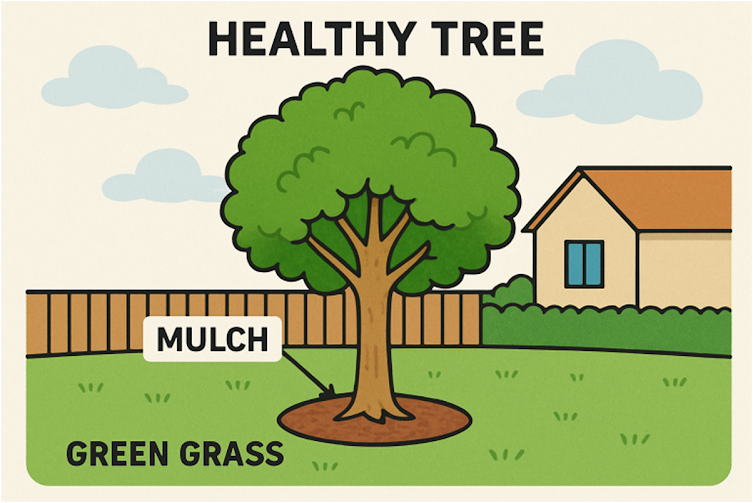
Proper hydration is crucial, especially for young or recently transplanted trees. Most Gainesville soils retain moisture, so deep, infrequent watering is preferable: aim for about two gallons per inch of trunk diameter, focusing on the root zone rather than the trunk itself. Mulching with organic materials such as pine bark or wood chips helps stabilize soil temperature and conserve moisture. Apply a 2-4-inch layer of mulch around the base, keeping it a few inches away from the trunk to prevent decay and discourage pests.
Soil Health and Fertilization
Soil quality directly impacts tree vigor and resilience. Gainesville’s red clay soils are nutrient-rich but often compacted, limiting root expansion. Homeowners should periodically test their soil for nutrient deficiencies and pH, and adjust with organic matter such as compost or aged manure as needed. Avoid routine heavy fertilization, which can lead to excessive growth and increased disease risk. Thoroughly aerate the soil when planting and consider supplemental feeding only after confirming what your landscape requires.
Preparing for Severe Weather
With North Georgia’s frequent thunderstorms and occasional tornado activity, preparing your trees for extreme weather is a priority. Routine inspections should focus on identifying weak points, such as split trunks, decayed limbs, or overly dense foliage. Pruning is particularly important here, as strategic branch removal reduces wind resistance and the likelihood of breakage. Healthy, well-watered trees are also better able to withstand strong gusts. Consult an arborist for a personalized storm-readiness evaluation, especially if you have large or mature trees adjacent to buildings or utility lines.
When to Seek Professional Help
Certain tree care scenarios, including large tree removal, advanced disease treatment, and storm damage restoration, are best left to certified professionals. A skilled arborist brings both expertise and the right equipment, reducing risks to people and property. Look for credentials, local experience, and positive client reviews when selecting a service provider in Gainesville.
Frequently Asked Questions
How often should I water my trees in Gainesville?
Young trees generally require weekly watering, while mature trees may be watered every two to four weeks, depending on rainfall and soil moisture. Let the top few inches of soil dry out between sessions to avoid root rot.
Is it necessary to mulch around my trees?
Yes. Mulching conserves soil moisture, insulates roots, and controls weeds. Ensure mulch is kept a few inches from the trunk and is not overly deep.
Can I prune my trees myself?
Homeowners can tackle small pruning jobs, but working on large branches or trees near power lines should be left to qualified arborists for safety and compliance reasons.
What are the signs that a tree might be diseased?
Look for unusual discoloration of leaves, early leaf drop, fungal growth, trunk cracks, soaked or oozing bark, or the sudden death of branches.
When is the best time to plant new trees in Gainesville?
Planting is best done from late fall through early spring. The cooler temperatures and higher soil moisture during this period give new roots the best chance of establishing before summer heat.
By staying proactive with your tree care and knowing when to call in the professionals, you can enjoy healthy, safe, and beautiful trees year-round in Gainesville.